
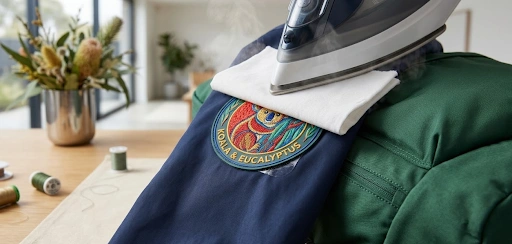
You may have noticed that nylon has a much smoother and lighter surface compared to fabrics like cotton. This soft, slick surface makes iron-on patches less than ideal for polyamide fabrics. Applying an iron-on patch usually requires heat around 220°F, but this much heat can easily damage or even burn nylon. People often place a cloth between the iron and the fabric to protect it, but even then, adhesion can be tricky.
To settle the question of whether iron-on patches really work on nylon, we conducted some research. Below, we’ve listed the key findings and practical insights on using iron-on patches on this delicate synthetic fabric.
What is Polyamide (Nylon) Fabric
Polyamide is a synthetic fiber prized for durability, flexibility, and resistance to wear. It stretches with movement and maintains shape through rain, wind, and daily use. Its smooth surface enhances the look of patches, but heat sensitivity creates a challenge.
Temperatures too high warp or melt fibers. Heat too low prevents the adhesive from bonding. Nylon requires awareness, respect, and careful technique.
Australians encounter nylon daily. School uniforms, sportswear, rain jackets, and hiking backpacks rely on it. Its versatility makes it ideal for active and stylish lifestyles. Understanding the fabric’s properties sets the foundation for patch application that lasts. Nylon demands attention, but it rewards precision with smooth, striking results.
How Iron-On Patches Work
Iron-on patches rely on a heat-activated adhesive that bonds with fabric fibers. They create instant style and transform ordinary garments into personalised statements. Success depends on the right temperature, careful pressure, and understanding the fabric.
- Heat Activates the Glue: Applying the right amount of heat softens the adhesive, allowing it to grip the fabric securely.
- Best on Heat-Tolerant Fabrics: Cotton, polyester, and denim provide the perfect surface for iron-on patches to stick and last.
- Challenges with Heat-Sensitive Fabrics: Nylon and other synthetics can warp, melt, or resist adhesion if the temperature is too high.
- Technique Matters: Precision, patience, and small adjustments control the bond and prevent bubbling or peeling.
- Durability Depends on Care: Even well-applied patches need proper handling, washing, and drying to maintain adhesion over time.
Challenges with Iron-On Patches on Nylon
Applying patches to nylon presents specific hurdles. Excessive heat causes melting, puckering, or bubbling. Nylon’s smooth surface can prevent glue from gripping properly. Over time, patches may peel or shift, especially in high-flex areas like elbows, shoulders, or backpack panels.
Examples abound. Windbreakers worn on brisk mornings face tension and friction. Sports jackets endure repeated movement and washing. Outdoor gear meets rain, sun, and rough handling. All these conditions stress adhesion. Patches on nylon demand foresight, careful preparation, and precision to remain secure and visually striking.
Tips for Using Iron-On Patches on Nylon
Applying iron-on patches on nylon works best with control and patience. Follow these steps for optimal results:
- Use a Low Heat Setting: Choose the lowest possible temperature suitable for synthetic fabrics. Avoid overheating, as even a few degrees too much can warp the nylon.
- Place a Protective Cloth: A thin cotton cloth or parchment paper between the iron and patch shields the nylon from direct heat while allowing the adhesive to activate.
- Press Carefully: Hold the iron firmly in place for 10 to 20 seconds. Avoid sliding the iron, which can shift the patch or distort the fabric.
- Avoid Steam: Steam adds moisture and heat, which can weaken adhesion and warp nylon.
- Test on a Small Area: Always apply the patch on a hidden section first. This ensures the method works without damaging the garment.
Alternative Methods for Nylon
When precision is critical or heat sensitivity is high, alternatives outperform traditional iron-on techniques:
- Sewing Patches: Hand or machine stitching guarantees long-lasting adhesion. It works on high-movement areas and maintains fabric integrity.
- Fabric Glue or Heat-Transfer Adhesives: Special adhesives formulated for synthetic fabrics offer a strong bond without excessive heat.
- Combination Method: Lightly iron the patch to set it visually, then reinforce edges with stitching for professional durability.
These approaches provide versatility, security, and longevity for nylon garments, allowing full creativity without risking damage.
Custom Patches Australia: Where Style Meets Mastery
Custom Patches Australia produces premium patches that combine artistry, durability, and precision. Every iron-on, embroidered, and PVC patch is crafted to adhere securely to all fabrics, including nylon.
Our team understands the unique challenges of synthetic fibers and ensures each patch maintains vibrant colors, crisp designs, and long-lasting adhesion.
We serve schools, clubs, brands, and individuals across Australia. Nylon receives special attention to prevent warping or peeling, ensuring every project succeeds. Custom Patches Australia transforms garments into personal statements and professional displays.